Hi, I’m Mazid

Ph.D. in Instructional Design and Technology · Expected April 2027

Since early 2023, I’ve designed AI learning experiences, taught educators how to approach AI, and researched the questions it raises.

Design

I design eLearning modules, online courses, guides, and hands-on training on AI and other educational technologies.

Teaching

I’ve taught at universities since 2018, including graduate courses in instructional design and technology in the U.S. and undergraduate English courses in Bangladesh, along with AI workshops for educators.

Research

My research investigates ethics, literacy, and decision-making around AI in education, drawing on varied methodological approaches, including mixed methods, document analysis, and critical discourse analysis.

Mazid Ul Hasan

Experience

  • Instructor Instructional Design and Technology, University of Cincinnati
  • Graduate Assistant, eLearning School of Education, University of Cincinnati
  • Student Associate, Learning Design Team College of Education, Criminal Justice, and Human Services, University of Cincinnati
  • Lecturer in English Universities in Bangladesh

Education

  • Ph.D., Instructional Design & TechnologyUniversity of Cincinnati · Expected April 2027
  • M.A., Applied Linguistics & ELTUniversity of Dhaka · 2018
  • B.A., EnglishUniversity of Dhaka · 2017

Let’s connect

See my full CV, send me a message, or find me on LinkedIn.

Instructional Design

I design eLearning modules, online courses, guides, and hands-on training on AI and other educational technologies.

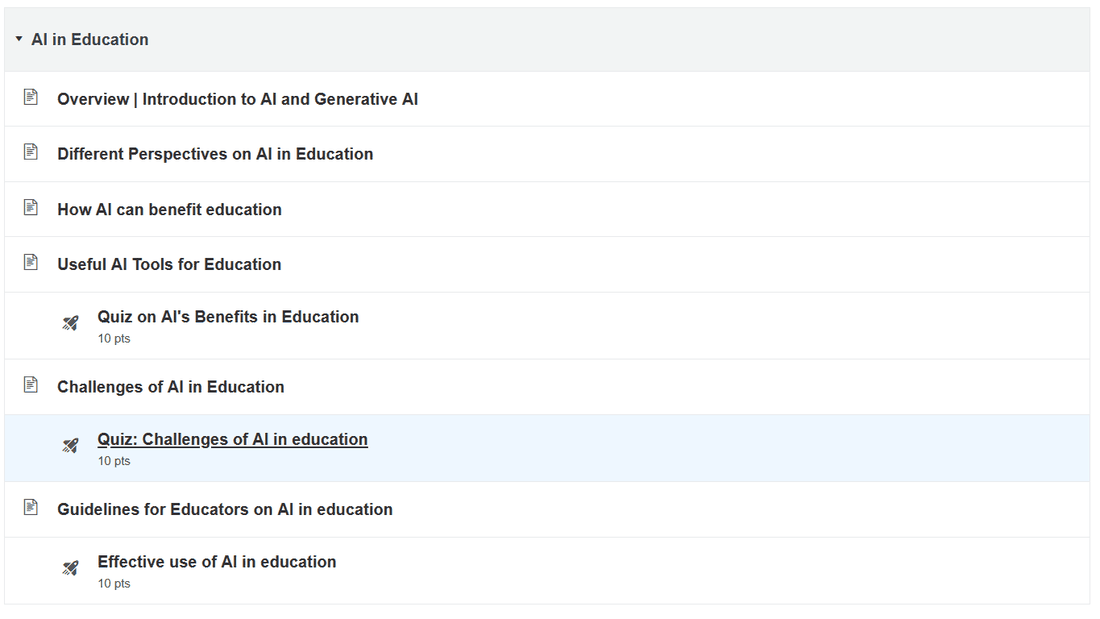
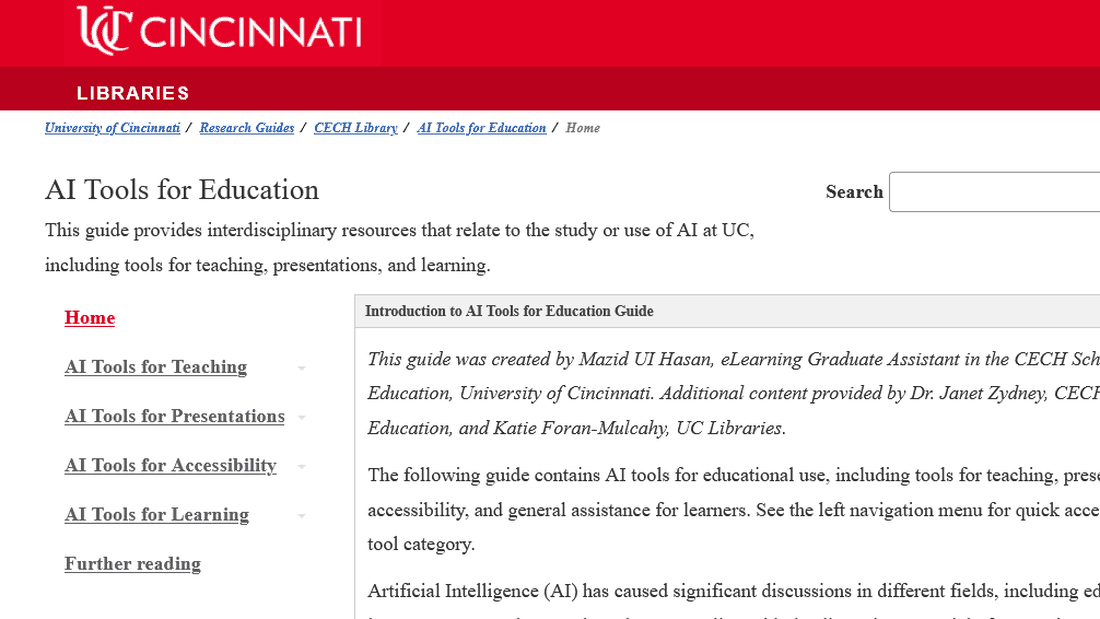
AI in education

Modules, a learning design, and a library guide that build AI literacy for teachers, faculty, and students.

eLearning module

A scenario-based module built in Articulate Storyline 360.

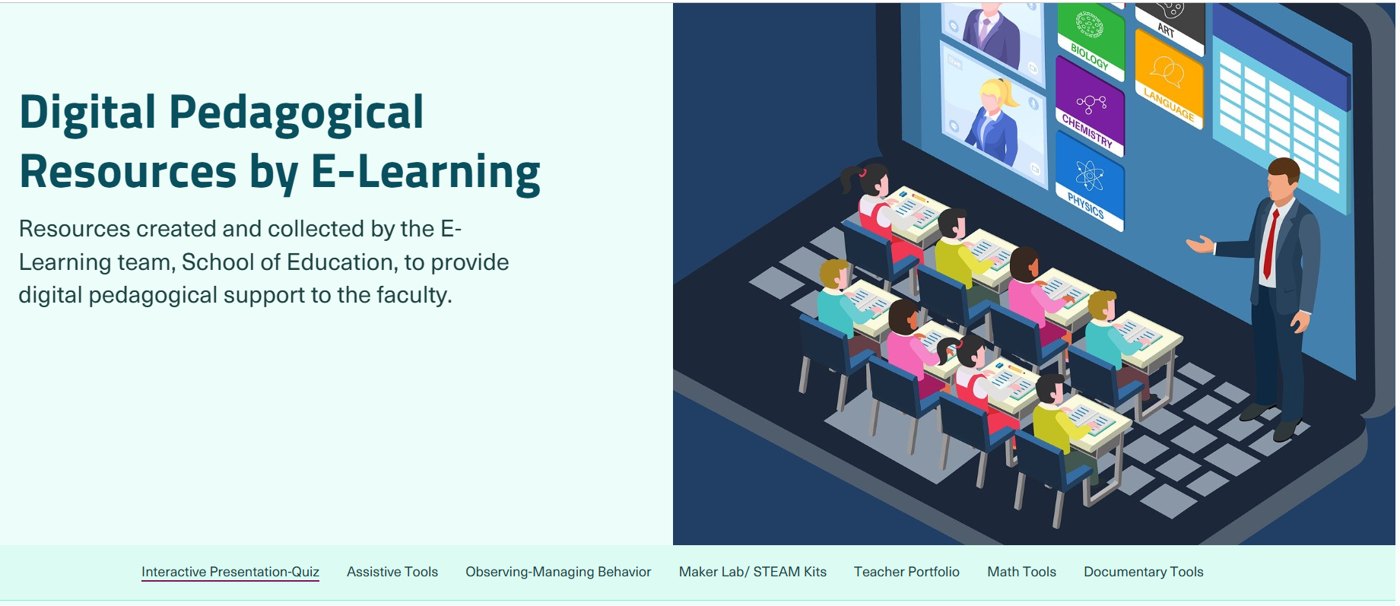
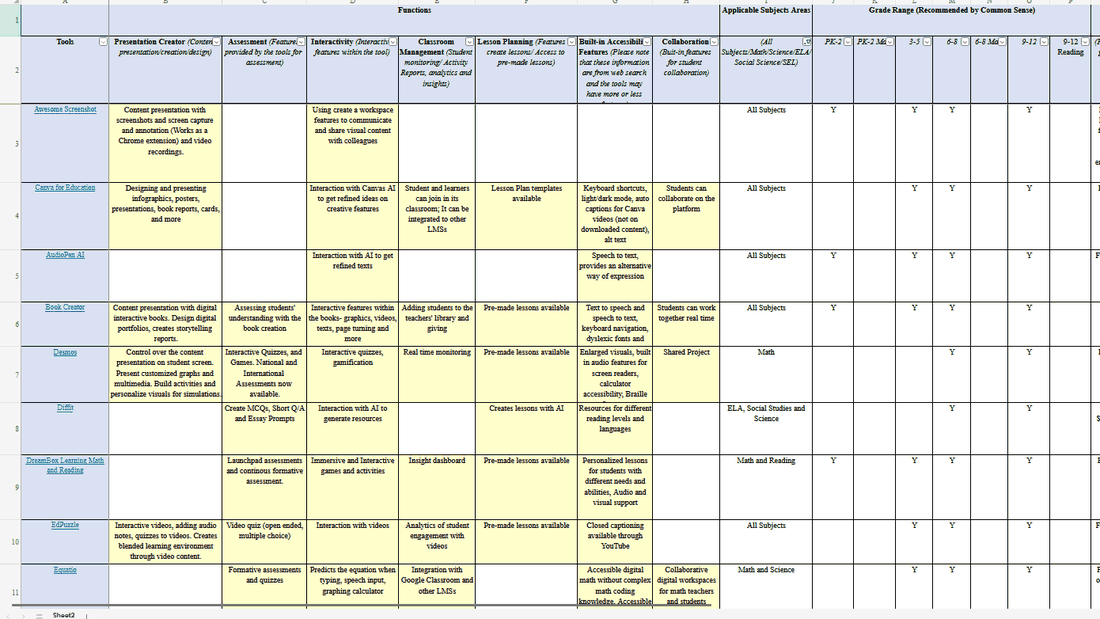
Technology support for teacher education

Training, job aids, and self-paced modules that help future teachers and faculty choose and use classroom technology.

Game-based learning

A lesson built inside Minecraft Education.

Accessibility

Course materials remediated so every learner can take part.

Teaching

I’ve taught at universities since 2018, including graduate courses in instructional design and technology in the U.S. and undergraduate English courses in Bangladesh, along with AI workshops for educators.

Levels taught
Graduate and undergraduate
Course formats
Online, HyFlex, in person
Topics taught
Learning sciences, multimedia, research methods, English
University teaching
Since 2018
Countries
Bangladesh and the U.S.

Teaching philosophy

Good teaching, to me, is knowing when to guide, when to ask a question, and when to step back. I support students closely at the start, and I keep the decisions in their hands so that the thinking is their own.

Teaching in Bangladesh and the United States, in person and online, has shown me that no tool or method works everywhere, and that includes AI. I ask students to look at their own context, weigh the options, and explain the choice they make.

Courses taught

My teaching in practice

Feedback that keeps the decision theirs

My feedback names what is working, asks questions, and points to resources, then leaves the next move to the student.

Structure that fits the learner

I model and guide more for newer learners, and give advanced students more room to interpret a problem and defend their choices.

Reasoning over polish

Now that AI can produce polished work in seconds, I look at how students connect ideas and explain their choices, not only at the final product.

Access built in

I prepare materials with clear structure, alt text, and captions, and offer key information in more than one format, so every student can take part from the start.

Student evaluations and supervisor feedback

Student evaluations, Learning Sciences and Technology (IDT 8020), Fall 2025 · 1 to 5 scale · 7 responses

  • 4.71The instructor provided feedback that helped me learn the course material.
  • 5.00The instructor treated students with dignity and respect.
  • 5.00The instructor encouraged students to discuss varying opinions and viewpoints.
“Students consistently commented on how much they appreciated his feedback and response, which demonstrates two of his strengths of professionalism and interpersonal skills. … Mazid also demonstrated his initiative by reorganizing materials in the course, which was not a requirement.”
Faculty supervisor, IDT 8020

Proposed course

A course I am developing and am prepared to teach.

My approach to AI in teaching and learning

Neither hype nor rejection

I treat AI as neither a cure nor a threat. Students weigh what it offers against its limits and harms before they decide on using it.

Literacy before adoption

Teachers need AI literacy and training before they can make sound choices about AI. Building that literacy, especially among future teachers, is a central goal of my teaching.

Experience first, then judgment

Students try AI tools themselves, then examine the benefits, limits, and ethics, so that each student's position rests on evidence and fits their own context.

See all my work on AI →

Workshops and training

Sessions I have designed and led for educators and students at different stages.

Certifications and practitioner publications

Certifications
Graduate College Teaching Certificate, University of Cincinnati (anticipated Fall 2026) · Google Certified Educator · Gemini Certified Educator
Practitioner publications
See all research →

Courses I can teach

  • Instructional design
  • Learning sciences and technology
  • Multimedia design
  • Technology integration for pre-service teachers
  • AI in education
  • Research methodologies
  • English language and academic writing

Research

My research investigates ethics, literacy, and decision-making around AI in education, drawing on varied methodological approaches, including mixed methods, document analysis, and critical discourse analysis.

Research focus

My research examines three connected areas of AI in education: the ethical questions AI tools raise, such as transparency and bias; the AI literacy educators need and how they are prepared for it; and how educators make decisions about AI. My aim is not to promote or reject AI, but to make sure educators have the knowledge and evidence to decide well.

Working from a pragmatist view, I let the research problem guide my methodological choices and draw on varied approaches. Mixed methods research is especially important to my work because the questions I study often require both a broader understanding of patterns and a closer understanding of people’s experiences and reasoning. I have also studied how other researchers use mixed methods, which shapes how I design my own studies.

Dissertation

Publications

Other publications
  • Hasan, M. U., & Zydney, J. M. (2025). Promoting critical AI literacy through online video-based discussion. Teaching Online Pedagogical Repository. University of Central Florida. https://stars.library.ucf.edu/topr/11/
  • Hasan, M. U. (2019). Portfolio assessment in writing courses: Attitudes of Dhaka University English department students. The Warwick ELT. https://thewarwickeltezine.wordpress.com/2019/01/02/811/
  • Hasan, M. U., & Biswas, A. (2018). Mobile apps in self-directed language learning: Attitudes of Bangladeshi undergraduate students. Green University Review of Social Sciences, 4(1), 83–99.
Under review
  • Hasan, M. U., & Biswas, A. (under review). How are pre-service teachers being prepared for AI in the U.S.? Mapping AI-literacy interventions through Intelligent-TPACK.
  • Hasan, M. U. (under review). Emergency encounters with online learning: A systematic review of students’ attitudes toward synchronous and asynchronous modes.

Featured presentations

Other presentations
  • Hasan, M. U. (2026, March 28). Understanding Teacher Educators’ AI-related Decision-making in Pre-service Courses: A Mixed Methods Study [Conference presentation]. Spring Research Conference, University of Cincinnati, OH, USA.
  • Hasan, M. U. (2024, November 5). From Human Teachers to Chatbots: Transformative Tutors or Troubling Trend? [Conference presentation]. Butler County Schoolwide AI Conference, Cincinnati, OH, USA.
Upcoming
  • Biswas, A., Kang, J. H., Hasan, M. U., Menon, V., & Van, A. (2026, November 3–7). Thinking About Digital Thinking: A Systematic Review on AI Literacy Interventions in Higher Education [Conference presentation]. Association for Educational Communications and Technology (AECT) International Convention, Chicago, IL, USA.
  • Zydney, J. M., Lankisch, K., Groh, S., & Hasan, M. U. (2026, November 19–21). Understanding Teachers’ Experience With Generative AI Through Reflection [Conference presentation]. Lilly Conference, Oxford, OH, USA.

What’s next

  • Teacher agency and AI agency: which teaching responsibilities, such as grading, feedback, and planning, educators share with AI and which they keep in their own hands
  • How pre-service teachers experience different AI expectations across their courses, and how that shapes their approach to teaching with AI
  • Design-based research to build and test AI literacy preparation that connects practical use with ethical and pedagogical reasoning

Research experience and memberships

Research methods experience

  • Mixed methods: Convergent and explanatory sequential designs
  • Quantitative: Survey research; descriptive and inferential statistics (SPSS, Qualtrics)
  • Qualitative: Interviews, document analysis, thematic and critical discourse analysis
  • Teaching: Teaching assistant for Mixed Methods Research I and II

Grants

Teacher Educators’ Decision-making about AI in Pre-service Courses: A Mixed Methods Investigation

Funder
Graduate Student and Faculty Research Mentoring Grant, College of Education, Criminal Justice, and Human Services, University of Cincinnati
My role
Principal investigator, with Dr. Vicki Plano Clark as co-investigator
Years
2025–2026

Implementation of Blended Learning in Bangladeshi Universities: A Qualitative Study on Students’ and Teachers’ Perceptions

Funder
SUST Research Centre, Shahjalal University of Science and Technology
My role
Co-investigator, with Md. Ishrat Ibne Ismail as principal investigator
Years
2022–2023

Peer review

  • AECT International Convention, 2026
  • AERA Mixed Methods Research SIG, Annual Meeting 2026
  • AERA Division D In-Progress Research Gala, Annual Meeting 2026

Memberships

  • AECTAssociation for Educational Communications and Technology
  • AERAAmerican Educational Research Association: Division D (Measurement and Research Methodology), Division K (Teaching and Teacher Education), and five special interest groups, including Mixed Methods Research and Instructional Technology
  • OLCOnline Learning Consortium
  • AAALAmerican Association for Applied Linguistics

All Work on AI

Everything I’ve designed, taught, and researched about AI, in one place.

Design

Modules, guides, and learning designs that build AI literacy for teachers and students.

Teaching

A graduate course I am developing on AI in education, and the AI sessions I have led for teachers, faculty, and students.

Workshops and training

Research

Studies on what AI tools tell educators, what AI reproduces, how teachers are prepared, and how educators decide.

Publications

Presentations

Contact

Open to instructional design roles, teaching positions, and research collaborations.

🎓

Institution

School of Education
University of Cincinnati
🔗

LinkedIn

LinkedIn profile ↗